

46%
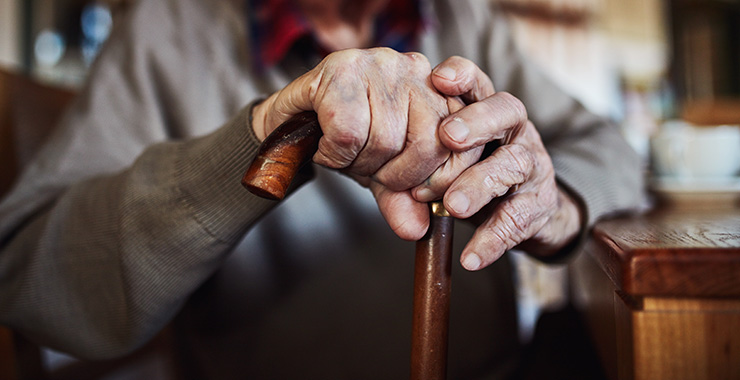
Percentage of Americans ages 75 and older who report having a disability. That compares with 24% of adults ages 65 to 74, 12% of adults ages 35 to 64, and 8% of adults younger than 35.
30%
Percentage of adults ages 75 and older who have serious difficulty walking or climbing stairs—a much higher rate than other age groups. People in this age group are also much more likely than other age groups to have disabilities related to hearing (20.9%), independent living (22.4%), cognition (12.2%), and vision (8.7%).
18%
Percentage of American Indians and Alaska Natives who report having a disability, compared with 14% each of White and Black Americans, 10% of Hispanic Americans, and 8% of Asian Americans.
66%
Percentage of adults with a disability or health condition that prevents them from participating fully in work, school, housework, or other activities, who reported a high level of distress between March 2020 and September 2022, at the height of the COVID-19 pandemic. That compares with 34% of those who do not have a disability.